Steel-Framed Grain Stores: Make Room for a Better Harvest
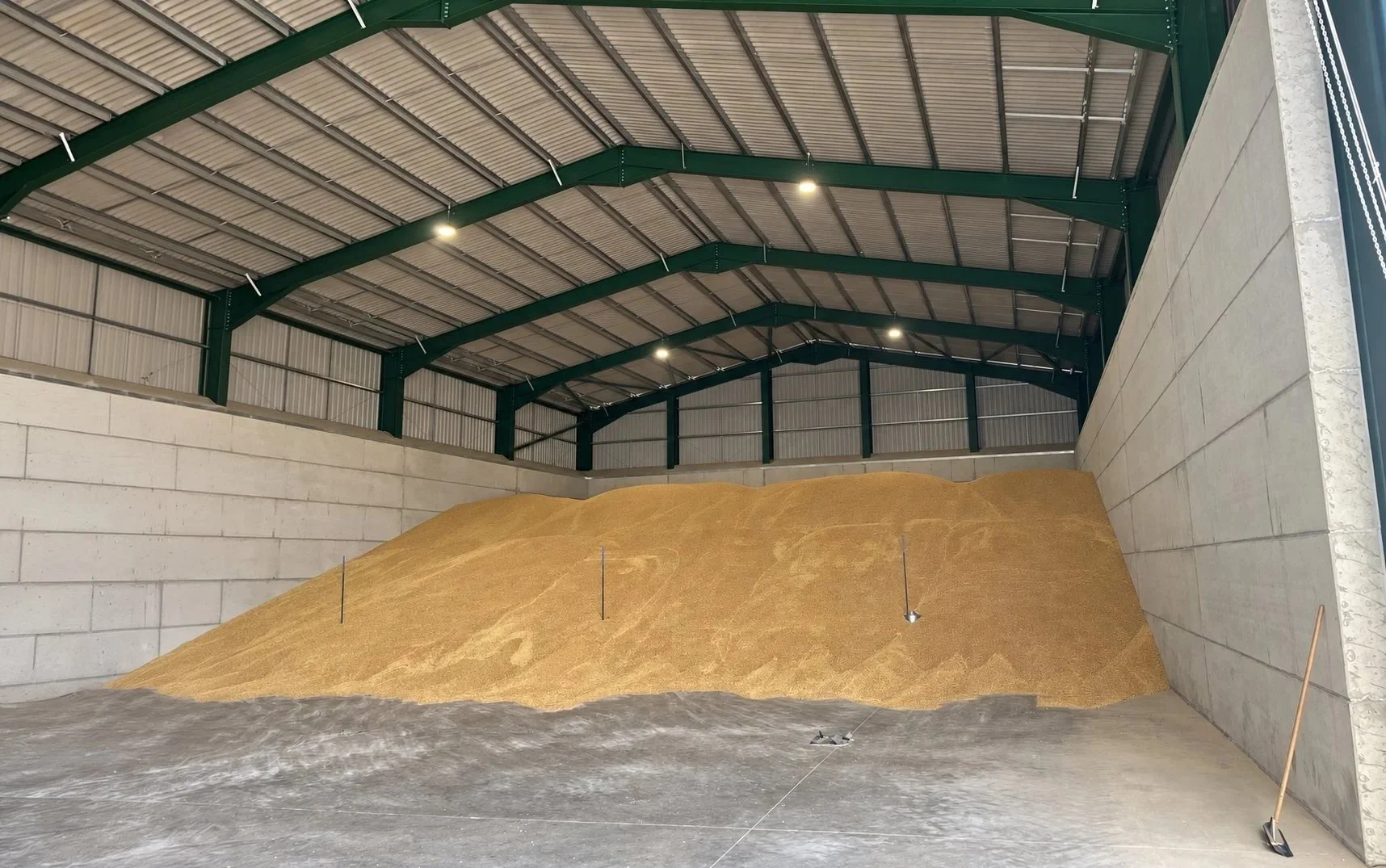
When a better harvest comes, be ready for it
After a disappointing harvest, with space still available in the shed, investing in additional grain storage understandably slips down the priority list. The hope, though, is that next season brings stronger yields—and with them, a return to the storage demands that quieter harvests have temporarily eased.
For farms that have previously struggled for space, or have since increased their cropped acreage, a better harvest could soon see sheds full to bursting again.
A new grain store is a significant investment, and planning it takes time. Where additional capacity is already needed, now is the time to prepare for the harvest you’re hoping for.
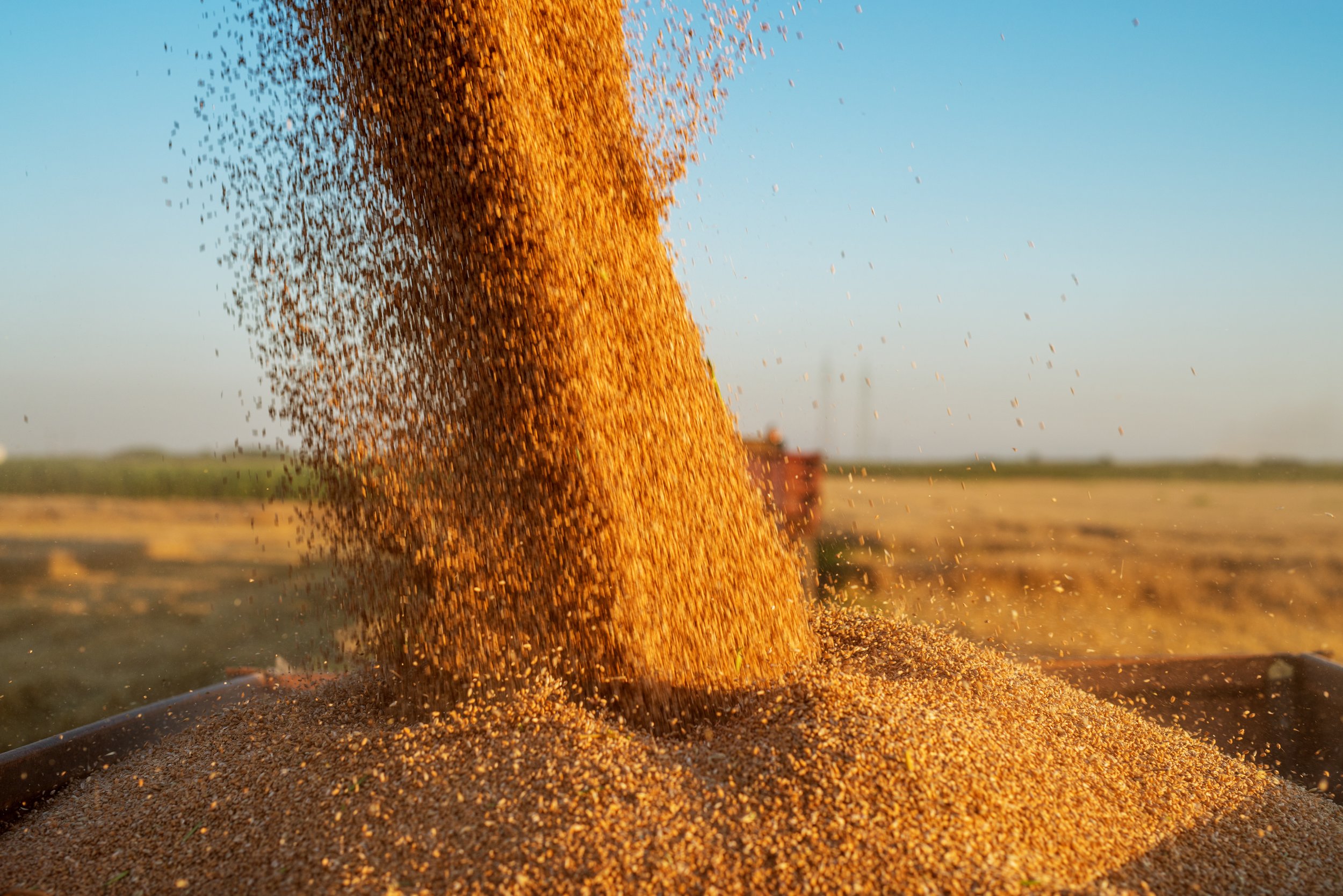
Remember the last time the sheds were full
Shufflebottom sales agent and farmer Tim Gibson knows how different storage requirements can look from one harvest to another. This year, his grain fitted into one barn, leaving another unused. Yet as recently as 2024, he needed more space than his grain shed could provide.
When recent harvests have been disappointing, that pressure on space can feel a long way behind you. But the prospect of a better season brings the question back into focus: would your existing stores comfortably accommodate the volume you would normally expect to harvest?
For farms that have taken on more land, lower yields may have allowed the additional crop to fit within existing buildings. A return to typical yields would put that capacity to a much greater test.
Spare room this autumn is welcome breathing space, but it is also an opportunity to address a known shortfall before the sheds are full again.
Plan around a better season
The weeks after harvest are a useful time to review how your buildings are working. Looking back across several seasons gives a clearer picture of your storage needs than judging capacity by the latest harvest alone.
Think back to the last time space was tight. Perhaps you relied on overflow storage, moved grain more often than you wanted to, or used a building that was needed for another purpose. Those experiences remain relevant when planning for stronger yields.
A useful review should consider:
The volume your current cropped acreage would produce at typical yields.
Previous pressure on storage and the arrangements used to manage it.
The space needed to keep different crops or batches separate.
Whether existing buildings still suit the way the farm operates.
Planned changes to acreage, cropping or the use of other farm buildings.
The aim is to understand what a better harvest would mean for your farm—and have the capacity in place to accommodate it.
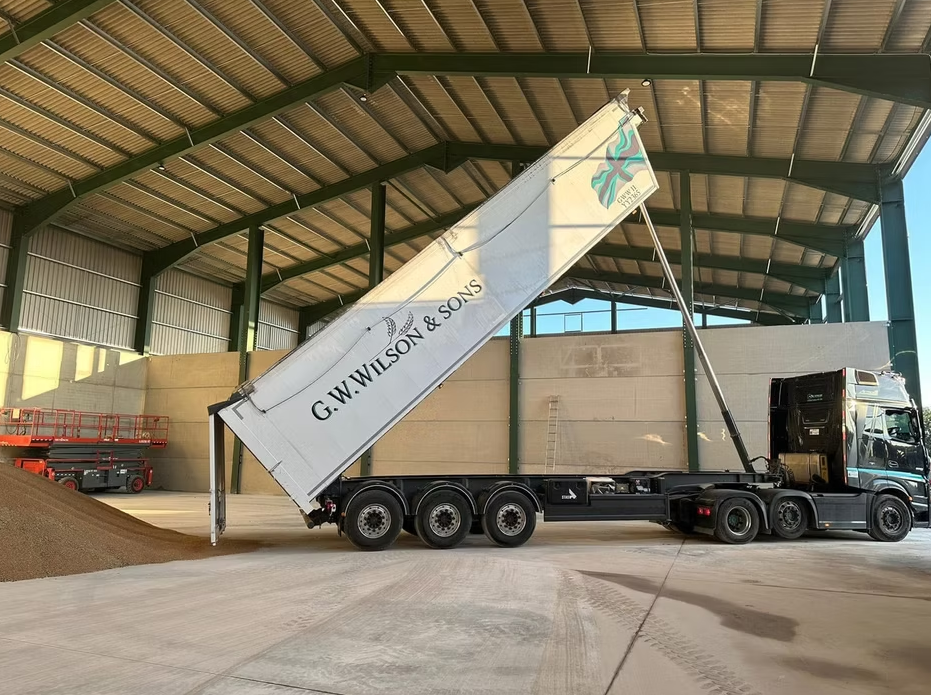
Get the capacity right from the outset
A grain store needs to earn its place on the farm for many years. Getting the scale right means balancing the capacity required today with a realistic view of how the business will develop. That starts with understanding the shortfall. A farm that has regularly relied on overflow storage has a different starting point from one that has recently taken on more land or needs to replace an ageing building.
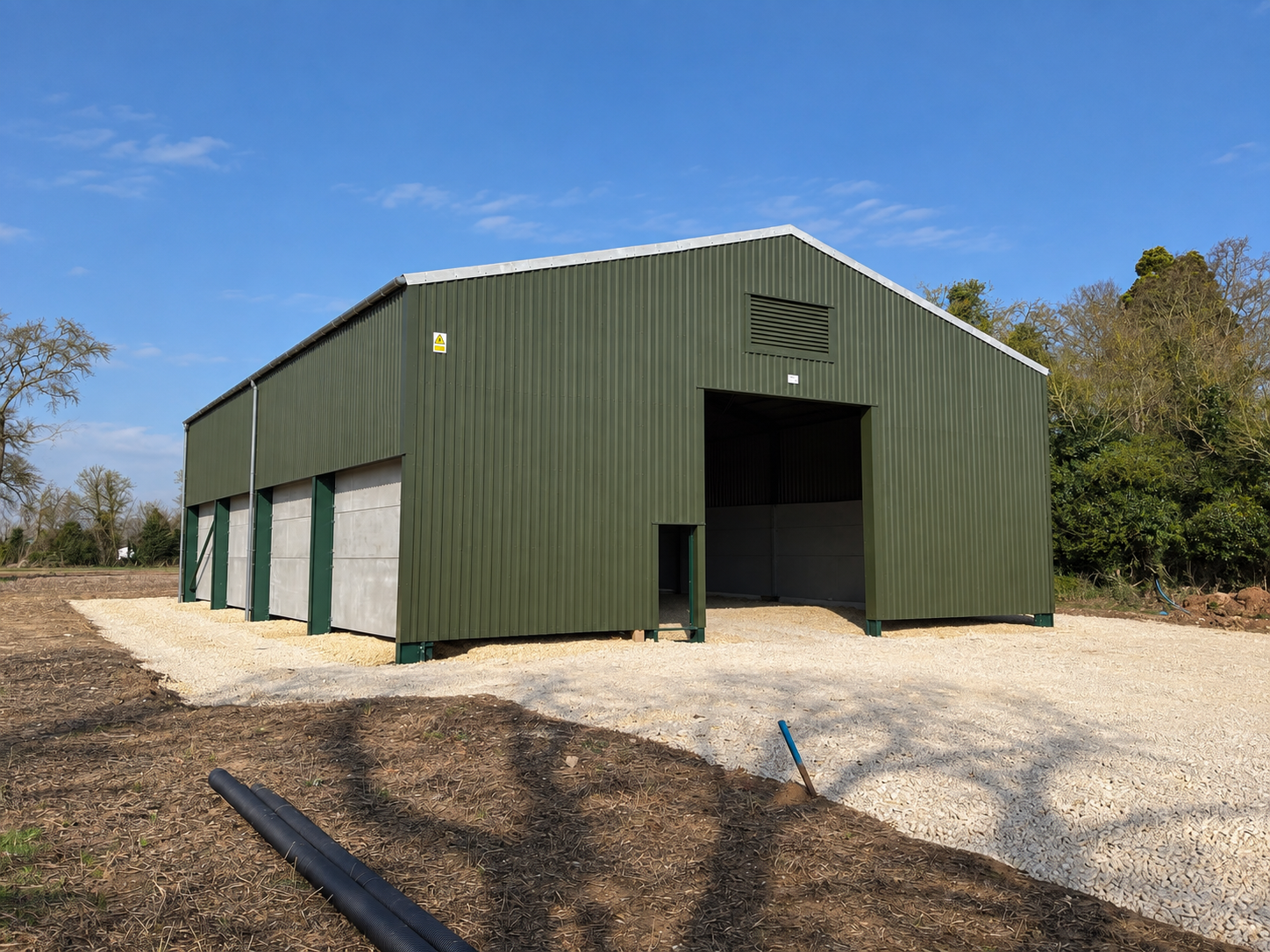
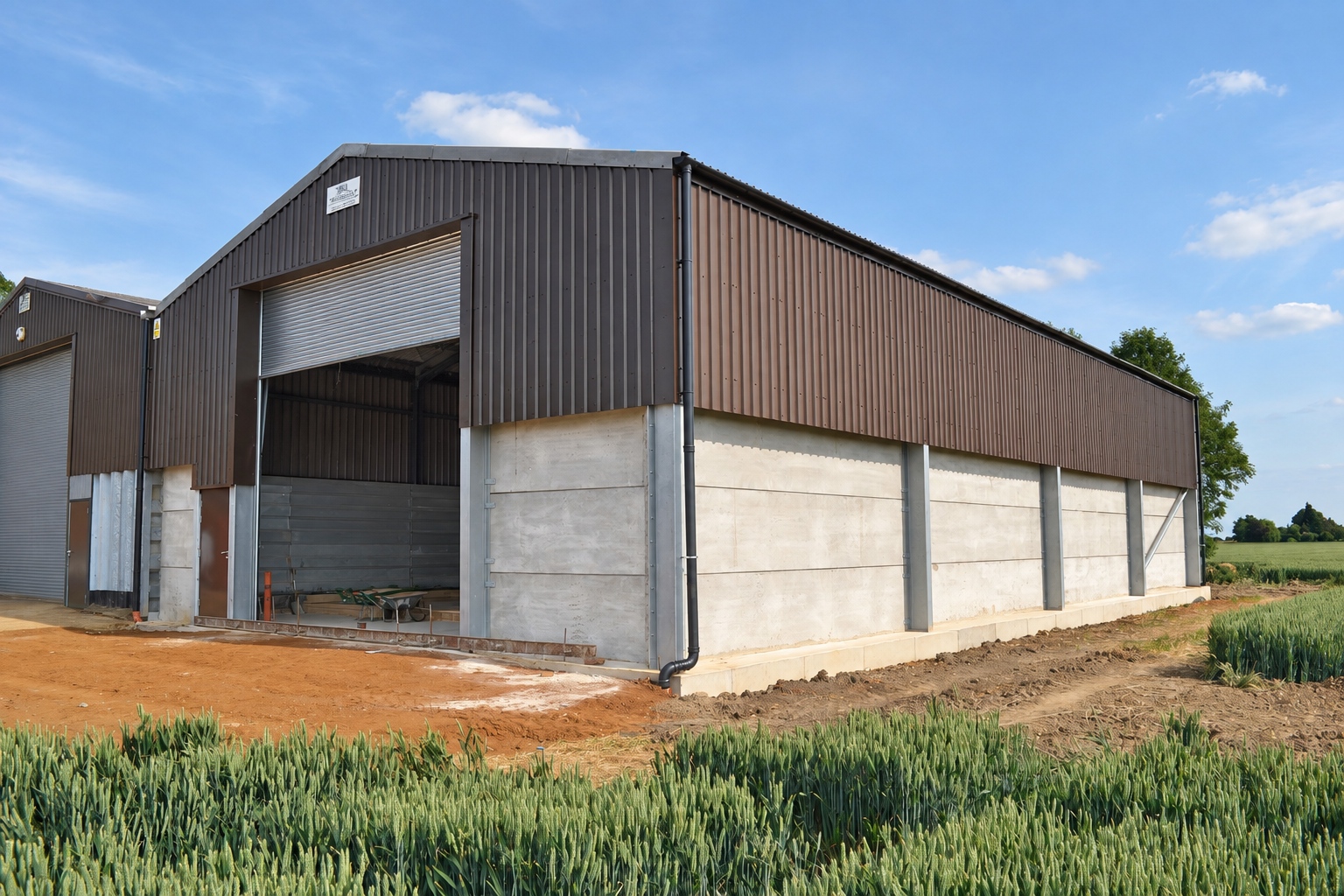
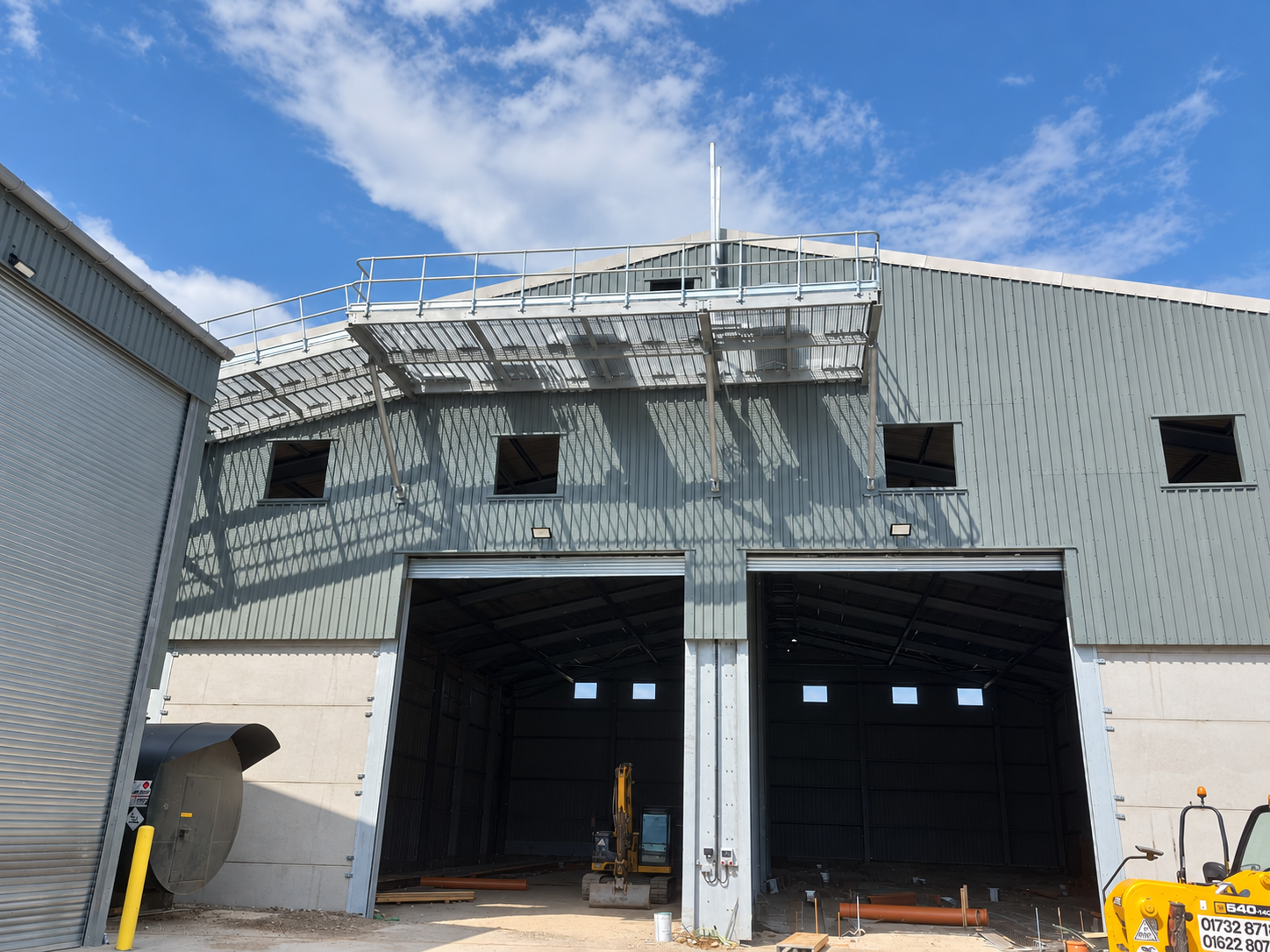
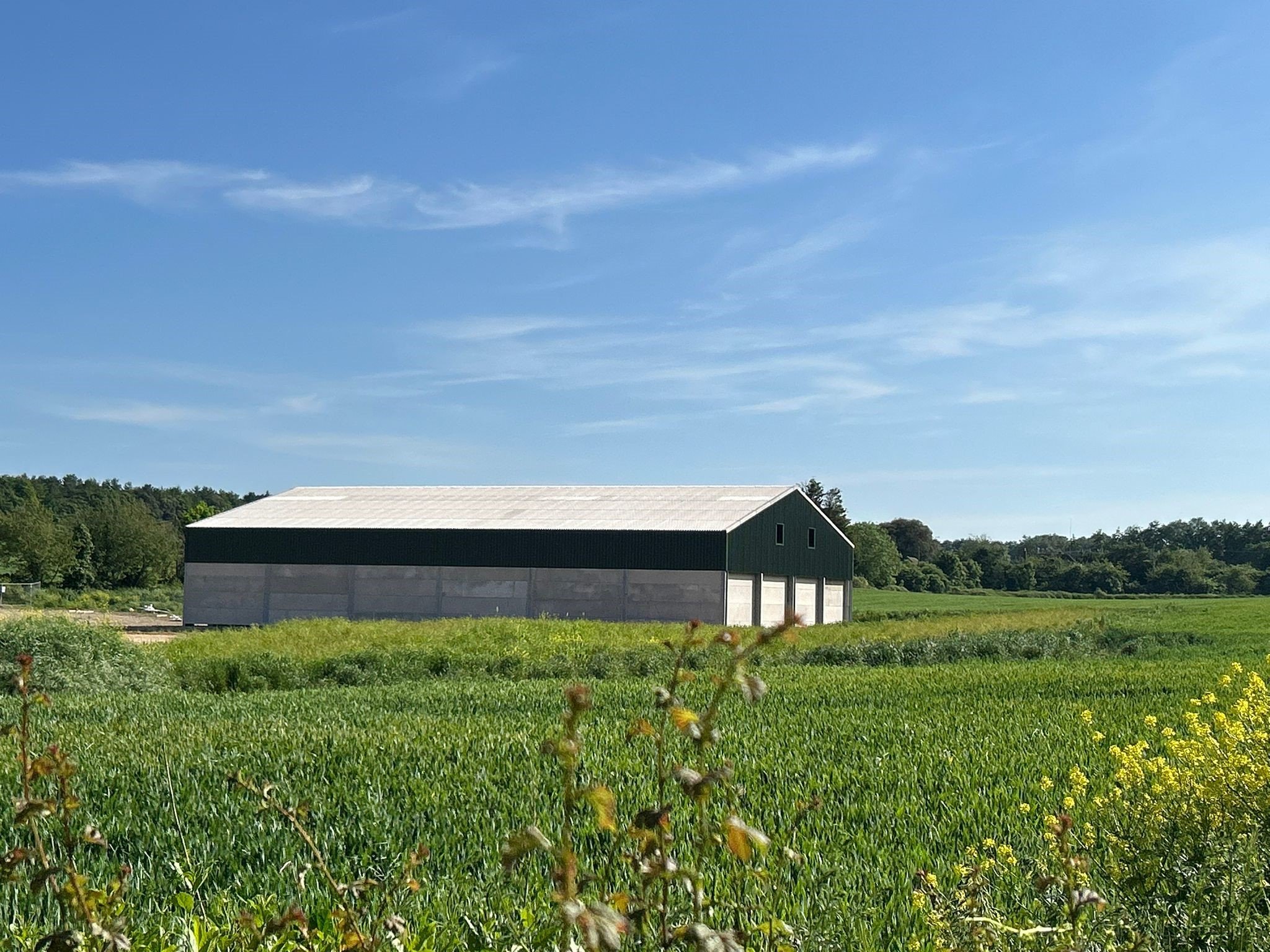
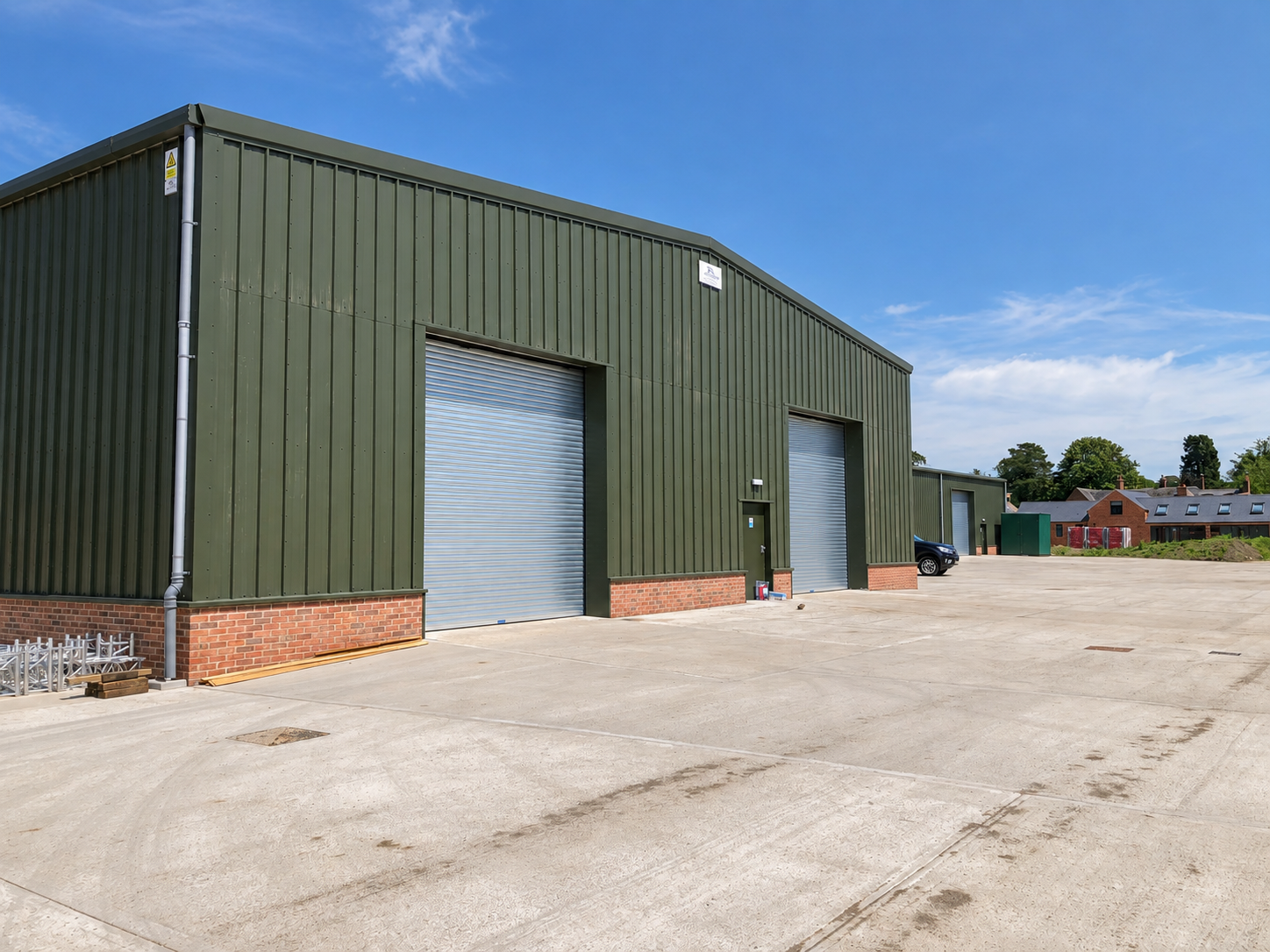
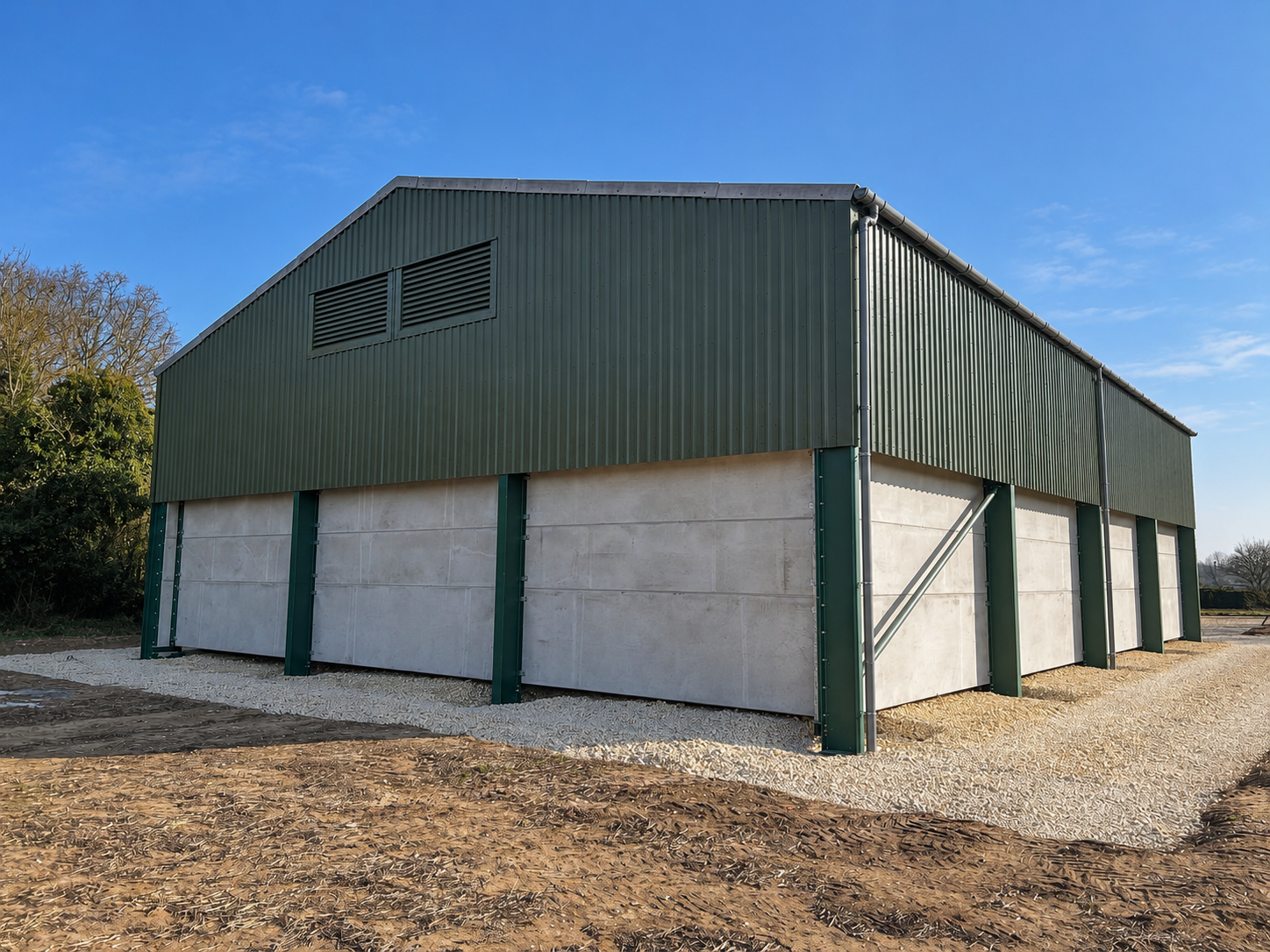
At Shufflebottom, we manufacture and install the steel frame and cladding, and also supply concrete panels for grain stores, creating the building shell around the requirements of the individual farm. The building’s dimensions, the available site and its intended use all form part of that conversation.
Planning around expected production, rather than a disappointing season’s tonnage, helps ensure the building provides the space the farm needs over the longer term.
Why choose a steel-framed grain store?
Steel-framed buildings are well suited to grain storage because clear-span designs provide large, open internal spaces, making good use of the available floor area.
The building’s size, shape and cladding specification can be tailored to the site and intended use. Access and the relationship with surrounding buildings also need consideration, so the new store works within the wider farm layout.
For farms planning further development, the initial design stage is also the time to discuss possible future extensions and the space they would require.
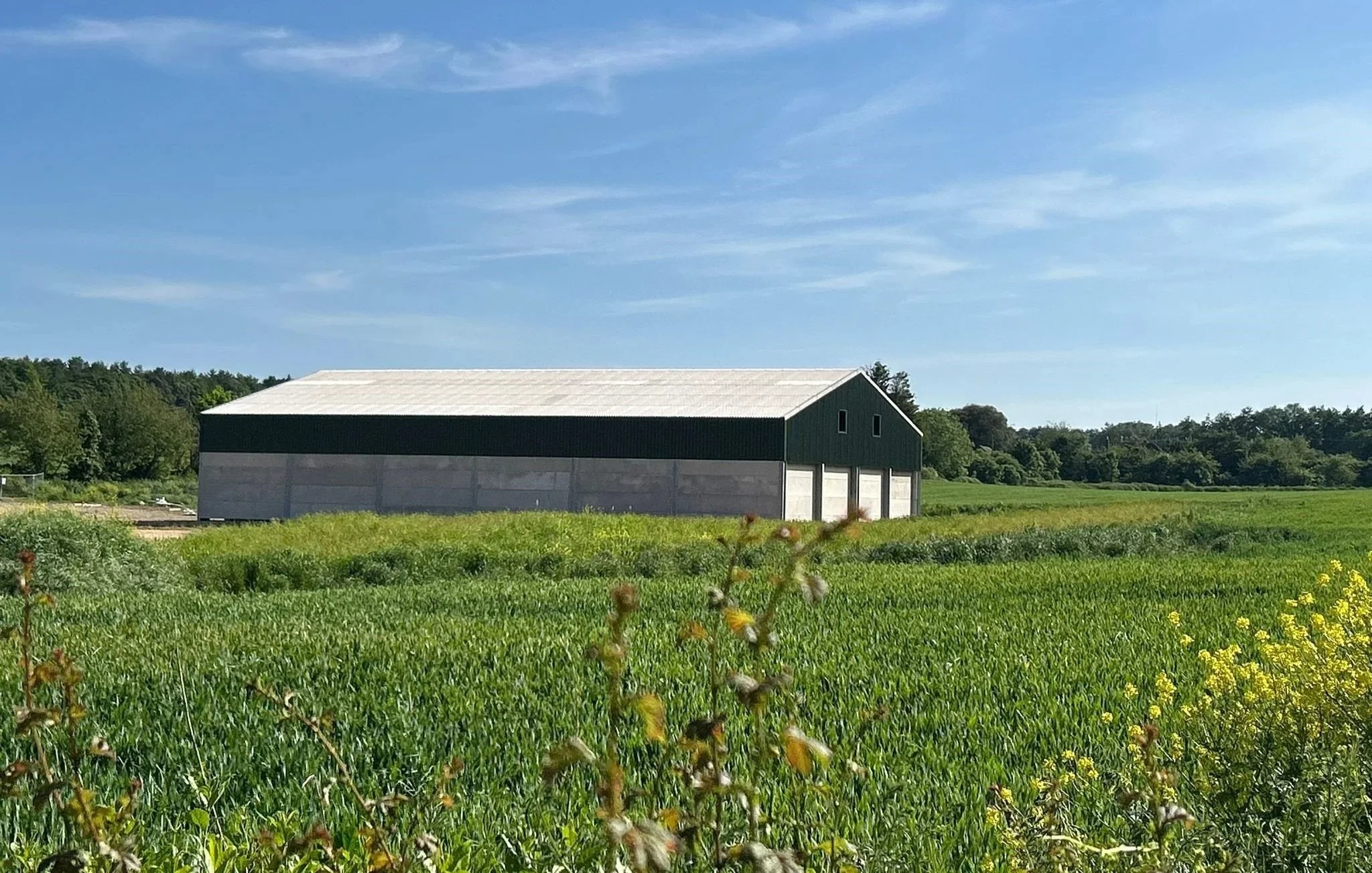
Think beyond the next harvest
The prospect of a stronger harvest next year is a useful prompt to start planning, but a new grain store should support the farm through many seasons to come.
Longer-term plans for acreage, cropping and existing buildings should help shape the brief.
Replacing an older store, bringing grain storage together in one location or freeing another building for a different use can all influence the capacity and position of a new building.
Considering these plans early helps avoid designing a store around a requirement the farm is already outgrowing. It also allows future development to be taken into account without assuming everything needs to be built at once.
Specify the building around its intended use
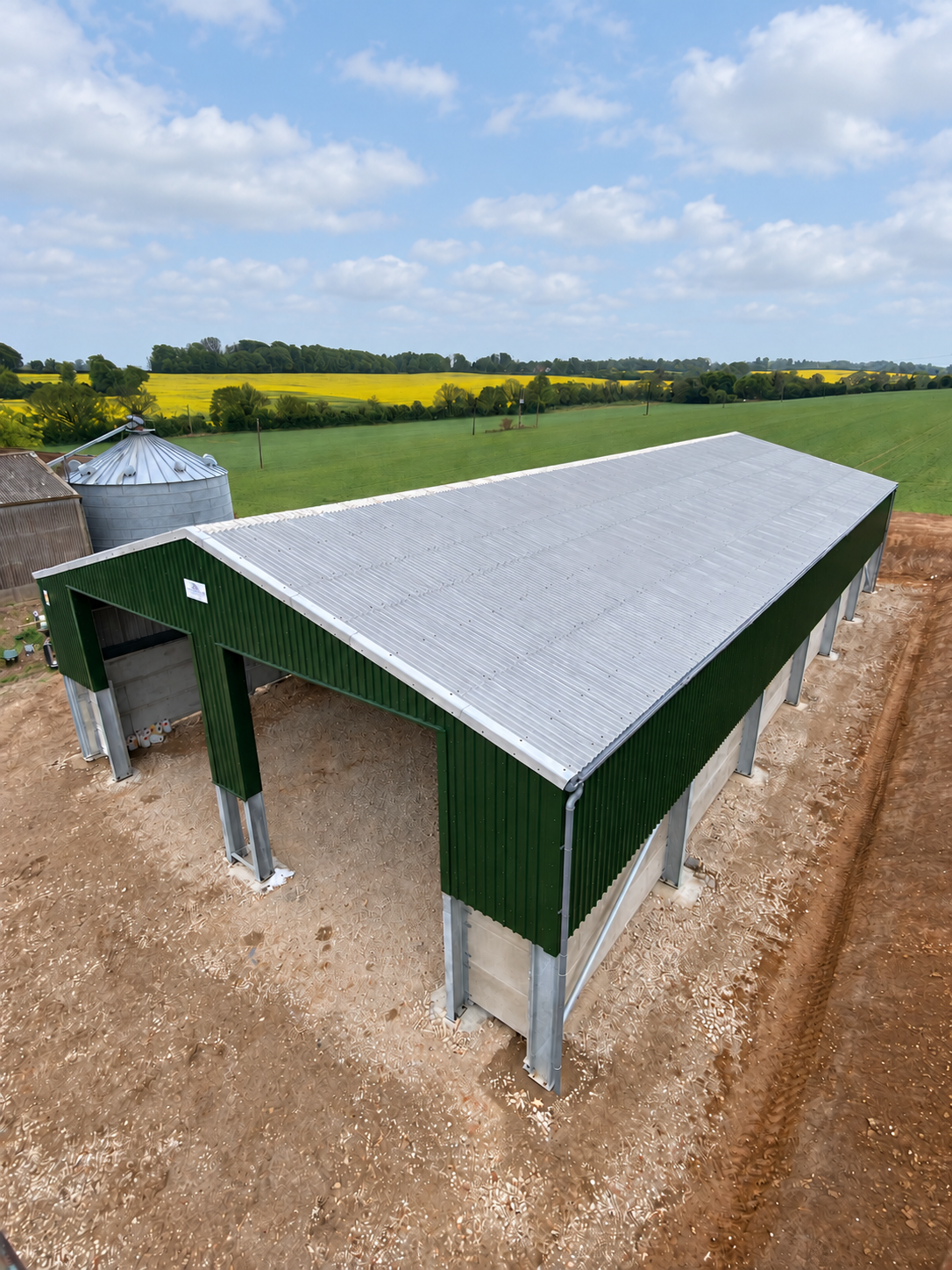
The steel frame and cladding are central to the building’s long-term performance. Their specification needs to reflect the site, exposure to the weather and the demands of repeated use, with roof construction and rainwater management considered as part of the overall design.
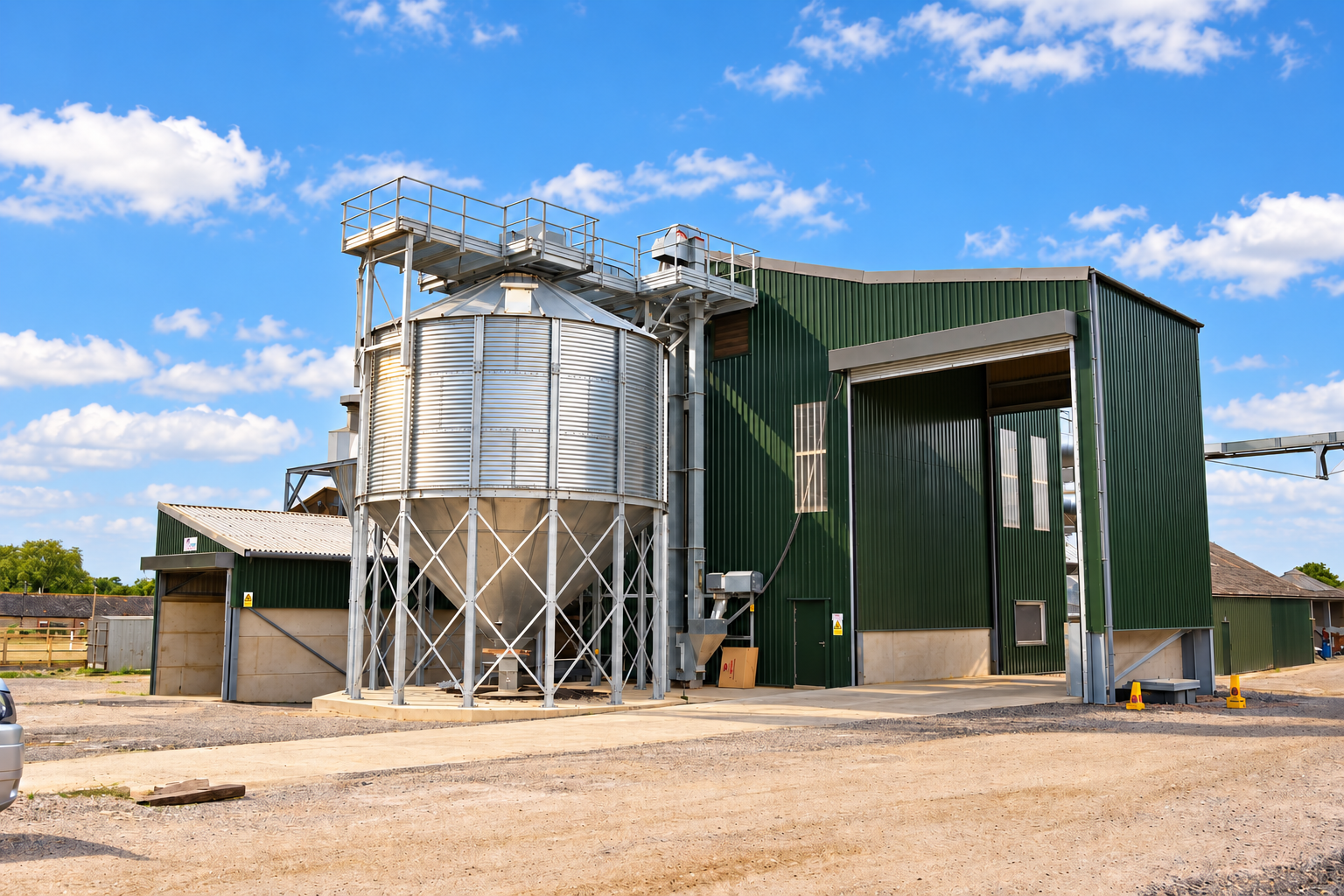
Shufflebottom provides the steel frame and cladding shell, and we also supply concrete panels for grain stores. The building is designed to work alongside any specialist grain handling, drying or ventilation systems installed separately.
Identifying those requirements at the outset helps ensure the building and the specialist equipment are planned together.
Be ready to welcome a better harvest
A stronger harvest would be a welcome change for farms that have experienced disappointing yields. For those with a known storage shortfall, preparing now means looking forward to that improvement with the space to accommodate it.
Design, any necessary permissions, manufacture and installation all take time. Starting the conversation this autumn gives you more opportunity to assess the costs, agree the right specification and plan the work ahead of next harvest.
The hope is for more grain in the shed next year. Now is the time to make room for it.
Talk to the Shufflebottom team about planning a steel-framed grain store around your farm’s requirements.