Pig Unit Planning in 2026: A Complete Guide to New Steel-Framed Agricultural Buildings
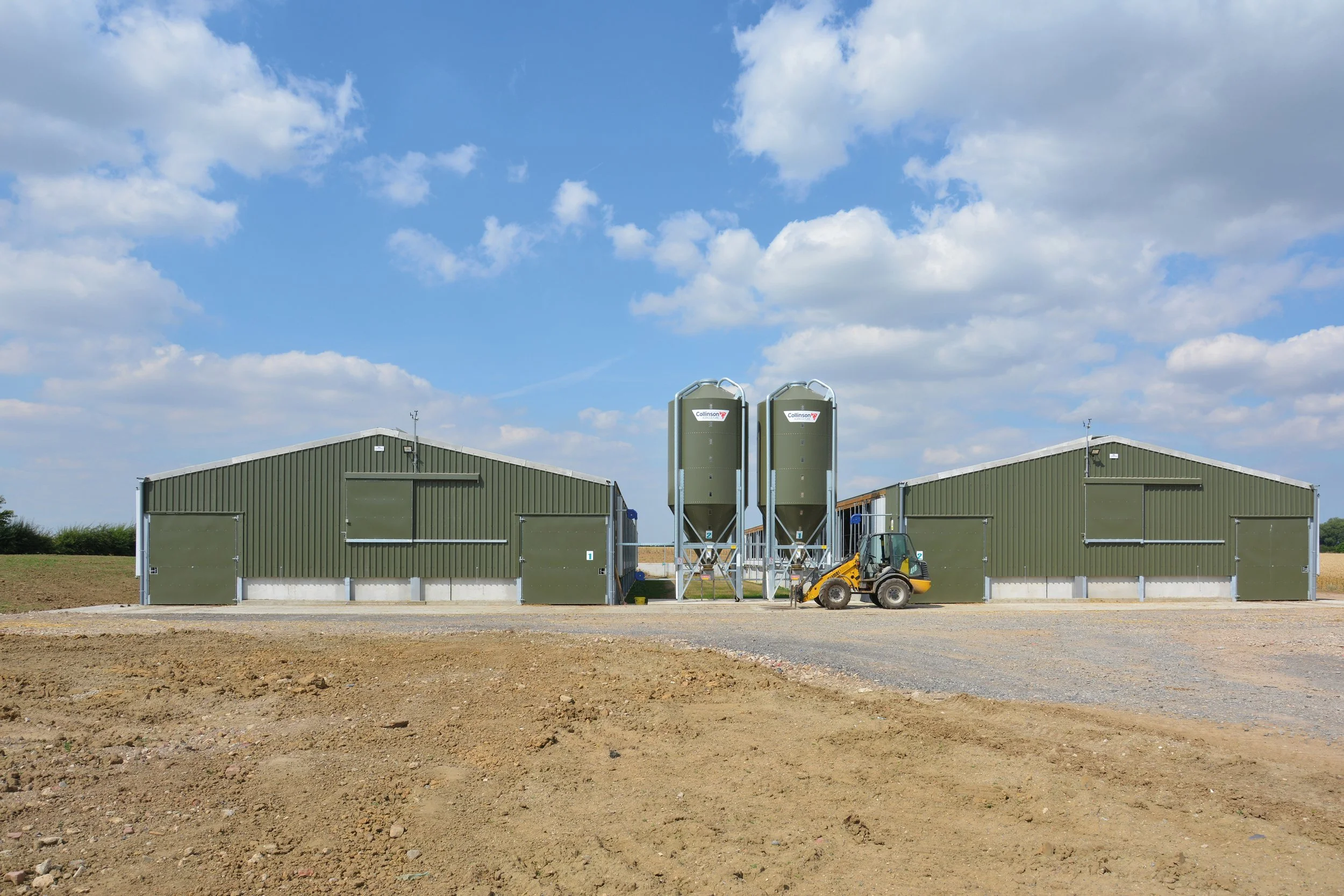
Investing in a new pig unit is one of the most significant infrastructure decisions a farmer will make. In 2026, planning approval, environmental compliance and long-term operational efficiency are just as critical as the building itself.
If you are considering a new steel-framed pig unit or expanding your existing livestock facilities, this guide outlines what you need to know before committing.
Why Planning a New Pig Unit Is More Complex in 2026
The fundamentals of agricultural buildings may not have changed dramatically, but the planning environment has.
Environmental regulations surrounding ammonia emissions, nitrogen deposition and nutrient loading now play a decisive role in whether a new pig building secures consent.
Local authorities increasingly assess:
Cumulative environmental impact
Proximity to protected land designations
Air quality thresholds
Nutrient management strategy.
Before designing any new pig unit, environmental viability should be assessed. This protects your investment and avoids costly redesigns later.
Environmental Assessments for Pig Buildings
For many new pig units in England and Wales, air quality assessments are now mandatory.
If your proposed livestock building is near:
Sites of Special Scientific Interest
Special Areas of Conservation
Ancient Woodland
…you will likely require detailed modelling before approval.
Slurry and Nutrient Management for Agricultural Buildings
Manure management is closely linked to planning approval for pig units. Authorities expect clear, evidence-based nutrient management plans demonstrating:
Where slurry will be spread
That receiving land can accommodate nutrient loading
That watercourses are protected
That cumulative impacts are controlled.
A new pig unit cannot be considered in isolation. The entire farm nutrient strategy must align with the planning application.
Designing a Steel-Framed Pig Unit for Efficiency
Once planning viability is established, attention turns to design. A well-designed steel-framed building for pig production should:
Optimise pig flow
Support ventilation and welfare compliance
Provide maximum usable internal space
Allow safe staff movement
Offer flexibility for future adaptation.
Steel-framed agricultural buildings offer wide clear spans and structural strength, making them ideal for modern livestock systems.
Why Steel-Framed Buildings Are Ideal for Pig Units
Compared to alternative construction methods, steel-framed pig units provide:
Long-term durability
Structural consistency
Speed of erection
Adaptability for expansion
Reduced maintenance requirements.
Choosing the Right Agricultural Building Partner
When investing in a new pig unit, experience matters. Look for a provider that offers:
In-house structural engineering
3D modelling capability
Frame and cladding design
Manufacturing control
On-site erection services
Long-term aftercare
A full-service approach ensures your steel farm building performs both technically and operationally for decades.
Future-Proofing Your Pig Unit Investment
Producers building in 2026 are thinking beyond immediate needs. A modern pig unit should allow for:
Potential expansion
Renewable integration
Changing welfare standards
Evolving production systems
A well-engineered steel-framed agricultural building provides flexibility without compromising structural integrity.
Planning a New Pig Unit? Speak to the Experts
A new pig unit is not simply another farm shed. It is long-term infrastructure that supports compliance, productivity and profitability.
Shufflebottom manufactures steel-framed agricultural buildings, livestock buildings and specialist pig units for producers across the UK.
If you are planning a new pig unit or exploring options for steel farm buildings, speak to our experienced team early in the process.
Contact us for a free quotation:
01269 831831
enquiry@shufflebottom.co.uk